
C. Lowering Cholesterol
How to Lower LDL Cholesterol Through Lifestyle Changes

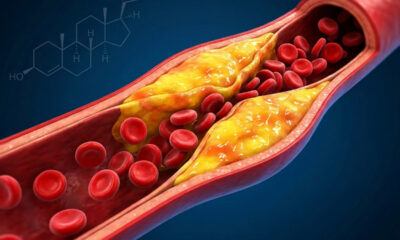
LDL cholesterol is often called “bad cholesterol” because elevated levels can contribute to plaque inside artery walls. Lifestyle changes can help lower LDL while improving blood pressure, blood sugar, body weight and overall cardiovascular health.
Results vary according to genetics, starting cholesterol levels and existing medical conditions. Some people—particularly those with familial hypercholesterolemia or high cardiovascular risk—also need cholesterol-lowering medication.
Reduce Saturated Fat
Saturated fat can raise LDL cholesterol. Common sources include fatty meat, butter, full-fat dairy products, coconut oil, palm oil and many pastries or highly processed foods.
Rather than eliminating all fat, replace some saturated fat with unsaturated fat. Practical swaps include:
- Olive oil instead of butter
- Fish, beans or lentils instead of fatty processed meat
- Nuts or seeds instead of pastries
- Avocado instead of cream-based toppings
- Lower-fat dairy when appropriate
Replacing saturated fat matters more than simply removing it. Substituting it with refined carbohydrates and added sugar may not improve cardiovascular health.
Avoid or Minimize Trans Fat
Industrial trans fat can raise LDL while reducing HDL cholesterol. Although partially hydrogenated oils have been restricted in the United States and several other markets, regulations vary internationally.
Check ingredient lists for “partially hydrogenated oil,” especially on imported baked goods, shortening, fried foods and shelf-stable snacks.
Increase Soluble Fiber
Soluble fiber forms a gel-like substance during digestion and can reduce cholesterol absorption. Good sources include:
- Oats and barley
- Beans, peas and lentils
- Apples, citrus fruit and pears
- Okra and eggplant
- Ground flaxseed
- Psyllium
Increase fiber gradually and drink adequate fluids to reduce bloating or constipation. Ask a healthcare professional before using fiber supplements, particularly if you take medication.
Choose Unsaturated Fats
Monounsaturated and polyunsaturated fats can support a healthier cholesterol profile when they replace saturated fat. Sources include olive oil, canola oil, nuts, seeds, avocado and oily fish.
Portion size still matters because fats are energy-dense. The goal is substitution—not adding unlimited amounts to an unchanged diet.
Eat More Whole Plant Foods
Vegetables, fruit, whole grains, legumes, nuts and seeds provide fiber and beneficial nutrients. Try building meals around plants:
- Oatmeal with berries and nuts
- Bean and vegetable soup
- Lentil curry with brown rice
- Whole-grain wraps with hummus
- Fish with vegetables and barley
A heart-healthy pattern does not have to be entirely vegetarian. Consistency and food quality are more important than adopting a restrictive label.
Exercise Regularly
Physical activity can improve cholesterol and reduce cardiovascular risk. Aim toward approximately 150 minutes of moderate-intensity aerobic activity per week, plus muscle-strengthening activities on at least two days, if medically appropriate.
Walking, dancing, cycling, swimming and active gardening all count. Beginners can start with five- or ten-minute sessions and build gradually.
Maintain a Healthy Weight
For people carrying excess body fat, modest sustainable weight loss may improve LDL, triglycerides, blood pressure and glucose control. Avoid crash diets promising instant cholesterol reduction.
A better strategy combines realistic portions, high-fiber foods, regular movement, adequate sleep and ongoing support.
Stop Smoking
Smoking and vaping damage blood vessels and compound the cardiovascular danger associated with unhealthy cholesterol. Quitting can improve HDL and triglycerides while reducing heart attack and stroke risk.
U.S. residents can find free support at Smokefree.gov. International readers can contact national tobacco-cessation services.
Manage Alcohol, Sleep and Stress
Alcohol can raise triglycerides and add excess calories. Drinking alcohol specifically to improve HDL is not recommended.
Aim for regular, restorative sleep. Chronic sleep problems and unmanaged stress may affect appetite, activity and cardiovascular health. Relaxation practices can support healthier routines, although they do not replace cholesterol treatment.
The American Heart Association recommends reducing saturated and trans fats, choosing fiber-rich foods, exercising regularly, avoiding tobacco and maintaining a suitable weight. Read its cholesterol prevention guidance.
FAQs
What is the fastest natural way to lower LDL?
No single food provides an instant solution. Combining healthier fat choices, soluble fiber, regular activity and weight management is generally more effective than relying on one “cholesterol-lowering” product.
Can lifestyle replace cholesterol medication?
Not always. Some people need medication because of genetics, existing cardiovascular disease or high overall risk. Never stop prescribed medicine without medical guidance.
C. Lowering Cholesterol
How to Raise HDL While Improving Overall Heart Health

HDL is known as “good cholesterol” because it helps transport cholesterol away from artery walls and toward the liver. However, modern cholesterol management does not treat HDL as an isolated target.
A high HDL reading does not erase the risks of elevated LDL, high blood pressure, diabetes or smoking. The most effective approach is to adopt habits that improve overall cardiovascular health.
Exercise and Physical Activity
Regular physical activity can support HDL while improving triglycerides, blood pressure, insulin sensitivity and fitness.
Useful options include:
- Brisk walking
- Jogging
- Cycling
- Swimming
- Dancing
- Rowing
- Strength training
- Active household or gardening tasks
Build toward 150 minutes of moderate aerobic activity weekly, or an equivalent amount of vigorous activity, where appropriate. Include strength training and reduce long periods of sitting.
The best exercise plan is one you can perform consistently and safely. People with chest pain, severe shortness of breath, dizziness or significant medical conditions should obtain clinical guidance before intensifying activity.
Choose Healthier Fats
Replacing saturated fat with unsaturated fat can improve the balance between LDL and HDL cholesterol. Heart-supportive choices include:
- Olive or canola oil
- Nuts and seeds
- Avocado
- Natural nut butter
- Salmon, sardines and other oily fish
Adding these foods without reducing saturated fat or excess calories may not produce the desired result. Make substitutions instead of simply increasing total fat.
Stop Smoking and Avoid Tobacco
Smoking can lower HDL and damage the lining of blood vessels. Quitting improves cardiovascular health even when the change in HDL is modest.
Avoid secondhand smoke where possible. Support may include counseling, quitlines and approved nicotine-replacement or prescription treatments.
Pursue Sustainable Weight Management
If you have overweight or obesity, gradual weight loss may improve HDL, LDL, triglycerides and blood-sugar control. Focus on habits you can maintain:
- Eat regular, balanced meals.
- Choose fiber-rich foods.
- Limit sugary drinks.
- Control portions without extreme restriction.
- Exercise consistently.
- Track behavior rather than pursuing rapid results.
Body weight is only one risk factor. People at every size benefit from heart-healthy eating and physical activity.
Why HDL Should Not Be Considered in Isolation
Attempts to raise HDL numerically have not always produced the expected reduction in cardiovascular events. HDL concentration does not fully describe how effectively those particles function.
The American Heart Association states that HDL is not a stand-alone treatment target. Healthcare professionals interpret it alongside LDL, non-HDL cholesterol, triglycerides and other risk factors. Understand current cholesterol measurements.
Your priorities should usually be:
- Lower harmful atherogenic cholesterol when needed.
- Control blood pressure and diabetes.
- Avoid tobacco.
- Stay physically active.
- Follow prescribed treatment.
- Maintain a nutritious eating pattern.
FAQs
What foods raise HDL quickly?
No food reliably transforms HDL overnight. Replacing saturated fat with unsaturated fats and adopting an overall heart-healthy eating pattern is more useful than chasing rapid changes.
Should I drink alcohol to raise HDL?
No. Alcohol can raise triglycerides and cause other health problems. People who do not drink should not start for cholesterol management.
Is very high HDL always protective?
No. HDL should be interpreted as part of a complete cardiovascular-risk assessment, not as a guarantee of protection.
C. Lowering Cholesterol
How to Lower Triglycerides

Triglycerides store energy from the food you eat. When your body receives more energy than it immediately needs, some of that excess can be converted into triglycerides.
High triglycerides may occur alongside elevated LDL, low HDL, diabetes, obesity or metabolic syndrome. Very high levels can also increase the risk of pancreatitis.
Reduce Added Sugar
Sugary drinks are an effective place to start because they deliver large quantities of rapidly absorbed sugar without much fullness.
Limit:
- Regular soda
- Sweetened tea and coffee
- Energy drinks
- Candy
- Sweet pastries
- Sweetened breakfast cereals
- Flavored syrups
- Large servings of fruit juice
Choose water, unsweetened drinks or whole fruit instead. Check U.S. Nutrition Facts labels for “Added Sugars”; labeling terminology may differ internationally.
Limit Refined Carbohydrates
White bread, refined cereals, many crackers and large portions of white rice or pasta may raise triglycerides, particularly when consumed in excess.
Replace some refined carbohydrates with:
- Oats
- Barley
- Brown rice
- Quinoa
- Beans and lentils
- Whole-grain bread
- Non-starchy vegetables
Carbohydrates do not need to be eliminated. Emphasize fiber-rich sources and portions suited to your energy needs.
Manage Alcohol Consumption
Alcohol can cause a substantial rise in triglycerides for some people. If your triglycerides are very high, a clinician may recommend avoiding alcohol completely.
Do not rely on general population drinking limits when managing a lipid disorder. Alcohol recommendations should account for your triglyceride level, medicines, liver health and personal history.
Exercise Regularly
Physical activity helps the body use circulating energy and may reduce triglycerides. Combine aerobic exercise with strength training and less sedentary time.
Start at a manageable level. A ten-minute walk after meals can be a practical first step, especially for someone who has been inactive.
The CDC emphasizes that regular physical activity reduces the risk of heart disease, type 2 diabetes and other chronic conditions. Explore CDC physical-activity guidance.
Manage Weight and Blood Sugar
For people carrying excess weight, gradual weight loss may produce meaningful improvement in triglycerides. Better diabetes management can also help when high blood glucose contributes to elevated levels.
Avoid extreme diets. A sustainable plan built around vegetables, high-fiber carbohydrates, lean protein and healthy fats is usually easier to maintain.
Choose Heart-Healthy Fats
Replace saturated fat with unsaturated fats from fish, olive oil, nuts, seeds and avocado. Oily fish supplies omega-3 fats, although food and prescription omega-3 medication are not interchangeable.
Do not begin high-dose fish-oil supplements without clinical guidance. Dosage, product quality, bleeding risk and medication interactions need consideration.
When High Triglycerides Need Medical Attention
A fasting triglyceride level below 150 mg/dL is generally considered normal. Levels at or above 500 mg/dL are commonly treated as severe, and pancreatitis risk becomes an important concern—particularly as values rise further.
Contact a healthcare professional promptly about very high results. Seek urgent medical care for severe upper-abdominal pain, persistent vomiting or other symptoms of acute illness.
Treatment may include addressing diabetes or hypothyroidism, avoiding alcohol, changing diet and using prescription medication. Do not replace medical treatment with supplements.
FAQs
How quickly can triglycerides improve?
They can change within weeks, but the timeline depends on the cause, starting level and consistency of treatment. Follow-up testing should be scheduled by your clinician.
Are fruit and carbohydrates forbidden?
No. Whole fruit and high-fiber carbohydrates can fit into a triglyceride-lowering diet. Added sugar, refined carbohydrates and oversized portions are greater concerns.
Can fish oil lower triglycerides?
Prescription omega-3 products can lower triglycerides in selected patients. Over-the-counter supplements vary in strength and purity and should not be treated as equivalent.

Cholesterol Explained: What You Need to Know

What Causes High Cholesterol?

How to Get Your Cholesterol Checked

Understanding Your Cholesterol Numbers

How to Lower LDL Cholesterol Through Lifestyle Changes

How to Raise HDL While Improving Overall Heart Health
Cholesterol Explained: What You Need to Know

High Cholesterol in Young Adults

Cholesterol After Menopause

Foods to Limit When Managing High Cholesterol
How to Raise HDL While Improving Overall Heart Health
How to Lower LDL Cholesterol Through Lifestyle Changes
-
 A. Understanding Cholesterol2 weeks ago
Cholesterol Explained: What You Need to Know
-

 I. Cholesterol By Groups1 month ago
High Cholesterol in Young Adults
-

 I. Cholesterol By Groups1 month ago
Cholesterol After Menopause
-

 D. Best Foods & Nutrition3 weeks ago
Foods to Limit When Managing High Cholesterol
-

 C. Lowering Cholesterol2 weeks ago
How to Raise HDL While Improving Overall Heart Health
-

 B. Testing & Results2 weeks ago
How to Get Your Cholesterol Checked
-

 E. Cholesterol-Lowering Diet3 weeks ago
7-Day Cholesterol-Lowering Meal Plan
-

 D. Best Foods & Nutrition3 weeks ago
How to Read Food Labels for Cholesterol Management


