A. Understanding Cholesterol
What Causes High Cholesterol?

High cholesterol rarely has one simple cause. For many people, it results from a combination of eating habits, physical activity, body weight, age, genetics, medical conditions and medication use.
Some cholesterol risk factors can be changed; others cannot. Understanding both categories can help you and your healthcare provider create a realistic plan instead of assuming that high cholesterol always results from poor lifestyle choices.
Diet and Saturated Fat
Diets high in saturated fat can raise LDL cholesterol. Common sources include fatty cuts of meat, butter, full-fat dairy products, some baked goods and foods made with coconut or palm oil.
Trans fat can also produce an unfavorable cholesterol profile by raising LDL and reducing HDL. Although artificial trans fats have been restricted in the United States and several other countries, consumers should still check ingredient lists and local nutrition guidance.
A heart-supportive eating pattern generally emphasizes vegetables, fruit, whole grains, legumes, nuts, seeds, fish and unsaturated oils. Individual dietary recommendations may differ when someone has diabetes, kidney disease, food allergies or another medical condition.
Genetics and Familial Hypercholesterolemia
Some people inherit genetic changes that interfere with the body’s ability to remove LDL from the bloodstream. Familial hypercholesterolemia, frequently abbreviated as FH, can cause very high LDL beginning in childhood.
Possible warning signs include unusually high LDL, high cholesterol at a young age or a family history of premature heart attack or stroke. Healthy habits remain important, but FH often requires medical treatment as well.
Because inherited high cholesterol can affect close relatives, a diagnosis may lead healthcare professionals to recommend cholesterol testing for parents, siblings or children.
Weight and Physical Activity
Excess body weight—particularly abdominal fat—may be associated with elevated triglycerides, higher LDL and lower HDL. However, people at any body size can have high cholesterol, and a thin appearance does not rule it out.
Physical inactivity can contribute to an unhealthy lipid profile and increase overall cardiovascular risk. Regular movement supports weight management, blood-pressure control, insulin sensitivity and heart health, even when changes on the scale are modest.
Smoking and Tobacco Exposure
Smoking damages blood vessels and increases cardiovascular risk. It can also reduce HDL cholesterol, making it harder for the body to manage cholesterol effectively.
Quitting smoking benefits the heart regardless of how long a person has used tobacco. People in the United States can access free cessation support through Smokefree.gov. Readers elsewhere can contact their national health service or local quit-smoking program.
Alcohol and Cholesterol
Alcohol is sometimes presented as a way to raise HDL, but starting to drink for cholesterol management is not recommended. Alcohol adds calories and can substantially increase triglycerides, particularly when consumed in excess.
Anyone taking medication, managing liver disease, living with high triglycerides or recovering from alcohol-use problems should seek individualized guidance rather than relying on general drinking limits.
Age and Other Nonmodifiable Factors
Cholesterol levels can change with age because the body may become less efficient at clearing LDL. Hormonal changes associated with menopause can also affect LDL and other blood lipids.
Biological sex, ethnicity and family history may influence risk, but they should not be used to make assumptions about an individual. Testing and a complete clinical assessment are more informative than demographic factors alone.
Health Conditions That Can Affect Cholesterol
Several medical conditions may produce or worsen an unhealthy cholesterol profile, including:
- Diabetes
- Hypothyroidism
- Chronic kidney disease
- Obesity
- Polycystic ovary syndrome
- Sleep apnea
- Certain liver disorders
- HIV and some inflammatory conditions
Treating an underlying condition may improve cholesterol, but additional lifestyle changes or cholesterol-lowering medication may still be needed.
Medications That May Affect Cholesterol
Some medicines can raise LDL or triglycerides or reduce HDL. Examples may include certain corticosteroids, retinoids, diuretics, beta-blockers, immunosuppressants and some medicines used for cancer or heart-rhythm disorders.
Never stop a prescribed medication because you suspect it is affecting cholesterol. Ask the prescriber whether monitoring, a dosage change, an alternative treatment or additional cholesterol management is appropriate.
The National Heart, Lung, and Blood Institute provides a detailed overview of cholesterol causes and risk factors, including medical conditions and medicines that can affect blood lipids.
What Should You Do Next?
If a lipid panel shows high cholesterol, ask your healthcare provider:
- Which part of my cholesterol profile is outside the recommended range?
- Could genetics or another medical condition be involved?
- Could any of my medicines affect my results?
- What lifestyle changes are most appropriate for me?
- Do I need treatment or follow-up testing?
High cholesterol is manageable, but the right approach depends on its cause and your overall cardiovascular risk.
FAQs
Can healthy people develop high cholesterol?
Yes. Genetics, age, underlying conditions and other factors can cause high cholesterol even in physically active people who follow a balanced diet.
Is high cholesterol always caused by eating fatty food?
No. Diet can contribute, particularly through saturated and trans fats, but genetics, health conditions, activity, smoking, age and medications may also play important roles.
Can stress raise cholesterol?
Long-term stress may influence health behaviors and hormone activity, potentially affecting cholesterol. Stress management can support cardiovascular wellness but should not replace testing or prescribed treatment.
Should I stop medicine that may be raising my cholesterol?
No. Do not stop or change prescribed medicine without speaking with the clinician who manages it. They can weigh its benefits against possible effects on blood lipids.

A. Understanding Cholesterol
Cholesterol Explained: What You Need to Know

Cholesterol is often described as something that should be eliminated, but your body actually needs it. This waxy, fat-like substance helps form cell membranes, produce certain hormones and support other essential functions. Your liver makes the cholesterol your body requires.
The concern begins when unhealthy levels of cholesterol-containing particles circulate in the blood. Over time, some particles can contribute to plaque buildup inside the arteries, increasing the risk of cardiovascular disease.
A blood test called a lipid panel measures several blood lipids—not just one cholesterol number. Understanding each result can help you have a more informed conversation with your healthcare provider.
What Is LDL Cholesterol?
Low-density lipoprotein, commonly called LDL cholesterol, carries cholesterol through the bloodstream to cells around the body. It is often described as “bad cholesterol” because an elevated LDL level can encourage cholesterol deposits in artery walls.
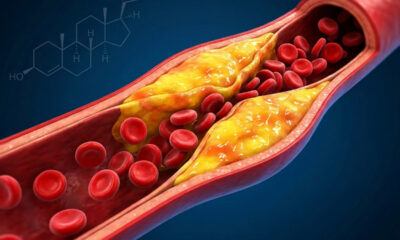
These deposits can contribute to atherosclerosis, a gradual process in which plaque narrows and stiffens the arteries. Reduced or blocked blood flow can eventually lead to coronary artery disease, heart attack or stroke.
LDL is therefore a major focus of cholesterol management. However, an appropriate LDL goal depends on a person’s complete cardiovascular risk profile, including age, blood pressure, diabetes, smoking history, family history and existing cardiovascular disease.
What Is HDL Cholesterol?
High-density lipoprotein, or HDL cholesterol, helps transport cholesterol away from peripheral tissues and toward the liver, where it can be processed. This is why HDL is often known as “good cholesterol.”
A higher HDL measurement has traditionally been associated with lower cardiovascular risk, but HDL should not be evaluated in isolation. A favorable HDL number does not automatically cancel the risks associated with high LDL, diabetes, smoking or high blood pressure.
The practical goal should be better overall cardiovascular health—not simply trying to raise one laboratory number.
What Are Triglycerides?
Triglycerides are fats your body uses and stores for energy. They are not cholesterol, although they are usually included in a lipid panel.
Excess calories that are not immediately needed can be converted into triglycerides and stored in fat cells. Levels may rise because of excess alcohol, diets high in added sugar or refined carbohydrates, obesity, poorly controlled diabetes, certain medical conditions, genetics or some medications.
High triglycerides combined with elevated LDL or low HDL can indicate greater cardiovascular risk. Extremely high levels may also increase the risk of acute pancreatitis and require prompt medical management.
What Is Total Cholesterol?
Total cholesterol represents the combined cholesterol carried by several types of lipoproteins in your blood. It provides a useful overview but does not reveal the complete picture.
Two people can have similar total cholesterol readings while having very different LDL, HDL and triglyceride levels. For that reason, healthcare professionals normally interpret the full lipid panel alongside other health information.
The CDC notes that cholesterol values are reported in milligrams per deciliter in the United States. Other countries may use millimoles per liter, so results from different systems should be compared only after appropriate conversion. Learn more from the CDC.
What Is Non-HDL Cholesterol?
Non-HDL cholesterol is calculated by subtracting HDL from total cholesterol:
Non-HDL cholesterol = Total cholesterol − HDL cholesterol
This result includes LDL and other cholesterol-containing particles associated with plaque formation. It can offer a broader view of potentially harmful cholesterol than LDL alone, particularly when triglycerides are elevated.
No additional blood test is normally needed because non-HDL cholesterol can be calculated from a standard lipid panel.
Understanding Cholesterol Ratios
A laboratory report may include a total-cholesterol-to-HDL ratio. A lower ratio is generally considered more favorable, but ratios should not replace LDL, non-HDL or overall cardiovascular-risk assessment.
Focusing only on a ratio can hide important information. For example, both total cholesterol and HDL could be unusually high while the ratio still appears acceptable. Your healthcare provider can explain which measurements matter most in your circumstances.
Why High Cholesterol Affects Cardiovascular Health
High cholesterol commonly causes no noticeable symptoms. The only reliable way to identify it is through testing.
When excess cholesterol contributes to plaque inside artery walls, the arteries can become progressively narrower. If a plaque ruptures, a blood clot may form and interrupt blood flow to the heart or brain. This can cause a heart attack or stroke. The CDC confirms that high blood cholesterol can promote arterial plaque and increase the risk of both conditions. CDC cholesterol overview.
Your cholesterol results should therefore be considered together with blood pressure, blood glucose, tobacco exposure, physical activity, family history and other risk factors. MedlinePlus provides additional guidance on cholesterol levels and lipid-panel results.
FAQs
Is all cholesterol unhealthy?
No. Cholesterol performs essential functions in the body. The health concern is having an unfavorable level or distribution of cholesterol-carrying particles, particularly elevated LDL.
Are triglycerides a type of cholesterol?
No. Triglycerides are a different type of blood fat, but they are measured alongside cholesterol because they provide useful information about metabolic and cardiovascular health.
Can I tell whether my cholesterol is high from symptoms?
Usually not. High cholesterol commonly has no symptoms, which makes blood testing important.

Cholesterol Explained: What You Need to Know

What Causes High Cholesterol?

How to Get Your Cholesterol Checked

Understanding Your Cholesterol Numbers

How to Lower LDL Cholesterol Through Lifestyle Changes

How to Raise HDL While Improving Overall Heart Health
Cholesterol Explained: What You Need to Know

High Cholesterol in Young Adults

Cholesterol After Menopause

Foods to Limit When Managing High Cholesterol
How to Raise HDL While Improving Overall Heart Health
How to Lower LDL Cholesterol Through Lifestyle Changes
-
 A. Understanding Cholesterol2 weeks ago
Cholesterol Explained: What You Need to Know
-

 I. Cholesterol By Groups1 month ago
High Cholesterol in Young Adults
-

 I. Cholesterol By Groups1 month ago
Cholesterol After Menopause
-

 D. Best Foods & Nutrition3 weeks ago
Foods to Limit When Managing High Cholesterol
-

 C. Lowering Cholesterol2 weeks ago
How to Raise HDL While Improving Overall Heart Health
-

 C. Lowering Cholesterol2 weeks ago
How to Lower LDL Cholesterol Through Lifestyle Changes
-

 B. Testing & Results2 weeks ago
How to Get Your Cholesterol Checked
-

 B. Testing & Results2 weeks ago
Understanding Your Cholesterol Numbers


