
J. Cardiovascular Risk
How High Cholesterol Affects Your Heart

Cholesterol is necessary for cell membranes, hormones and other bodily functions. The problem arises when too many atherogenic particles—including LDL and certain triglyceride-rich remnants—circulate in the blood.
Over time, these particles can enter artery walls and contribute to atherosclerosis. The process usually develops silently over many years.
Cholesterol and Atherosclerosis
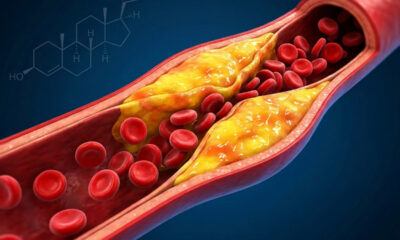
Atherosclerosis is a chronic disease in which cholesterol, inflammatory cells, calcium and other substances accumulate within artery walls.
LDL particles can become trapped and modified inside the arterial wall. The immune system responds, helping create an atherosclerotic plaque.
Plaque may develop in arteries supplying the:
- Heart
- Brain
- Legs and feet
- Kidneys
- Other organs
High LDL does not mean that an artery will become blocked immediately. Risk reflects the degree and duration of exposure plus other cardiovascular factors.
Plaque Buildup in Arteries
As plaque enlarges, it can narrow an artery and reduce blood flow. However, narrowing is only part of the danger.
A plaque may become unstable and rupture. The body responds as if the artery has been injured, forming a blood clot. A large clot can abruptly stop blood flow even when the artery was not previously severely narrowed.
Lowering atherogenic cholesterol reduces the material available to drive plaque growth. Appropriate medication can also help stabilize plaque and reduce cardiovascular events.
Coronary Artery Disease
Coronary artery disease develops when atherosclerosis affects arteries supplying the heart muscle.
Reduced blood flow may cause:
- Chest pressure or discomfort
- Shortness of breath
- Reduced exercise tolerance
- Pain spreading to the arm, shoulder, jaw or back
- No noticeable symptoms at all
Some people first learn they have coronary disease after a heart attack. Others have stable symptoms that occur during physical effort.
Heart Attack Risk
A heart attack usually occurs when blood flow through a coronary artery becomes severely restricted or suddenly blocked.
Possible warning signs include:
- Chest pressure, squeezing or fullness
- Pain in the arm, back, neck, jaw or stomach
- Shortness of breath
- Sweating
- Nausea
- Lightheadedness
- Unusual fatigue
Symptoms can differ between individuals. Suspected heart-attack symptoms require emergency medical care; do not drive yourself or wait for the discomfort to pass.
Stroke Risk
Atherosclerosis can also affect arteries that supply the brain. An ischemic stroke occurs when a clot blocks cerebral blood flow.
Use the FAST warning signs:
- F — Face: One side droops.
- A — Arm: One arm is weak or numb.
- S — Speech: Speech is slurred or difficult.
- T — Time: Call emergency services immediately.
Other symptoms can include sudden vision loss, severe imbalance, confusion or weakness on one side. Rapid treatment can save brain function and life.
Peripheral Artery Disease
Plaque in arteries supplying the legs can cause peripheral artery disease. Possible symptoms include leg pain while walking, wounds that heal slowly, cold feet or reduced pulses.
Peripheral artery disease is also a warning of atherosclerosis elsewhere in the body and should prompt comprehensive cardiovascular management.
Why Blood Pressure, Diabetes and Smoking Matter
High cholesterol rarely acts alone.
High Blood Pressure
High pressure places mechanical stress on artery walls and raises heart attack, stroke and kidney-disease risk.
Diabetes
Diabetes can damage blood vessels and alter lipoproteins, accelerating atherosclerosis.
Smoking
Smoking injures artery linings, promotes clot formation and compounds the risk associated with high LDL.
Kidney Disease
Chronic kidney disease changes lipid metabolism and independently raises cardiovascular risk.
Addressing several risk factors together usually produces greater protection than focusing only on cholesterol.
Can Atherosclerosis Be Prevented?
Risk can often be reduced through:
- Lowering LDL when needed
- Managing blood pressure and diabetes
- Avoiding tobacco
- Eating a heart-healthy diet
- Exercising regularly
- Maintaining an appropriate weight
- Taking prescribed medication consistently
- Attending follow-up testing
The American Heart Association explains that elevated LDL and non-HDL cholesterol increase fatty deposits and arterial blockages. Read its current cholesterol-treatment guidance.
FAQs
Can you feel cholesterol building up in your arteries?
Usually not. Atherosclerosis can progress silently until blood flow becomes limited or a cardiovascular event occurs.
Does high cholesterol guarantee a heart attack?
No. It raises risk but does not predict an inevitable event. Blood pressure, diabetes, smoking, genetics, age and treatment all influence risk.
Can plaque disappear completely?
Plaque may stabilize or regress to some extent with intensive risk-factor management, but treatment is primarily intended to prevent progression and cardiovascular events.
Can high HDL cancel high LDL?
No. HDL should not be used to dismiss elevated LDL or other important risk factors.
J. Cardiovascular Risk
Understanding Your Overall Cardiovascular Risk

A cholesterol result becomes more useful when interpreted within the complete cardiovascular picture. Two people with identical LDL levels may have very different treatment needs because their ages, medical histories and other risk factors differ.
Risk assessment estimates probability; it does not predict exactly what will happen to an individual.
Cholesterol Is Only One Risk Factor
Important lipid-related measurements may include:
- LDL cholesterol
- Non-HDL cholesterol
- Triglycerides
- HDL cholesterol
- Apolipoprotein B in selected cases
- Lipoprotein(a)
LDL is a central treatment target, but clinicians do not interpret it in isolation.
Family History
A heart attack, stroke or other atherosclerotic disease at a young age in a parent, sibling or child may indicate inherited risk.
Tell your clinician:
- Which relative was affected
- The diagnosis
- The relative’s age at the event
- Whether familial hypercholesterolemia is known
- Whether relatives have very high LDL or Lp(a)
An incomplete family history does not mean risk is absent. Some people have limited access to relatives’ medical information.
Blood Pressure
High blood pressure can damage arteries and increase heart attack, stroke, heart failure and kidney-disease risk.
A single elevated reading does not always establish hypertension. Diagnosis may require repeated office measurements, home readings or ambulatory monitoring.
Treating blood pressure remains important even when cholesterol is well controlled.
Blood Sugar and Diabetes
Diabetes substantially increases cardiovascular risk. Clinicians may review fasting glucose, A1C, duration of diabetes, kidney health and related complications.
Prediabetes and insulin resistance can also accompany high triglycerides, lower HDL and abdominal obesity.
Smoking and Tobacco Exposure
Smoking damages blood vessels, promotes blood clots and raises cardiovascular risk. Vaping is not harmless to the cardiovascular system.
Risk begins to decline after quitting, although the timeline differs among individuals. Avoiding secondhand smoke also matters.
Age
Cardiovascular risk generally increases with age because risk factors and arterial damage accumulate over time.
However, younger adults can have substantial lifetime risk—particularly with severe LDL elevation, smoking, diabetes or familial hypercholesterolemia. A low ten-year estimate should not be interpreted as lifetime immunity.
Other Risk-Enhancing Factors
A clinician may also consider:
- Chronic kidney disease
- Inflammatory disorders
- Premature menopause
- Pregnancy-related complications
- HIV
- South Asian ancestry
- Persistently elevated triglycerides
- High Lp(a)
- Elevated ApoB
- Metabolic syndrome
- Previous cancer treatment
- Social and economic barriers to care
These factors help personalize risk but should not be used to stereotype individuals.
Cardiovascular Risk Calculators
The 2026 U.S. dyslipidemia guideline incorporates the PREVENT-ASCVD equations for certain primary-prevention decisions. These equations estimate cardiovascular risk using clinical information.
A calculator may include:
- Age
- Cholesterol measurements
- Blood pressure
- Diabetes
- Smoking
- Kidney and metabolic health
- Use of relevant medicines
Calculators support shared decision-making; they do not replace clinical judgment. Tools and treatment thresholds differ internationally.
When Additional Tests May Help
Lipoprotein(a)
Lp(a) is largely inherited. The 2026 U.S. guideline recommends measuring it at least once during adulthood.
Apolipoprotein B
ApoB estimates the number of potentially atherogenic particles and may refine risk when triglycerides, diabetes or metabolic conditions make LDL less informative.
Coronary Artery Calcium
A coronary artery calcium scan uses CT imaging to detect calcified plaque. It may help resolve uncertainty about preventive treatment in selected adults.
A score of zero does not exclude all plaque or permanently eliminate risk. CAC is not appropriate for every patient and involves radiation exposure.
Primary vs. Secondary Prevention
Primary prevention aims to prevent a first cardiovascular event.
Secondary prevention applies after established atherosclerotic disease, such as a heart attack, ischemic stroke or peripheral artery disease. These patients generally require more intensive risk-factor treatment.
Discussing Risk With Your Doctor
Ask:
- What is my estimated short- and long-term cardiovascular risk?
- Which risk factors matter most for me?
- What is my LDL or non-HDL goal?
- Should I have Lp(a), ApoB or another test?
- Would coronary artery calcium scoring change treatment?
- What lifestyle changes offer the greatest benefit?
- Should we discuss medication?
- When should my results be reassessed?
The current U.S. guideline emphasizes PREVENT-ASCVD risk assessment, once-in-adulthood Lp(a) testing, selective ApoB measurement and individualized LDL and non-HDL goals. Review the 2026 AHA/ACC guideline summary.
Reducing Overall Cardiovascular Risk
A comprehensive prevention plan may include:
- Lowering atherogenic cholesterol
- Controlling blood pressure and diabetes
- Avoiding tobacco
- Eating a high-quality diet
- Staying physically active
- Getting adequate sleep
- Managing relevant medical conditions
- Taking prescribed medication
- Addressing barriers to care
The World Health Organization identifies tobacco, unhealthy diet, physical inactivity, harmful alcohol use, obesity and air pollution among important modifiable cardiovascular risks. See the WHO cardiovascular-disease overview.
FAQs
What does a 10-year cardiovascular-risk score mean?
It estimates the chance of a cardiovascular event within the next decade among people with similar characteristics. It is not a personal guarantee or diagnosis.
Can a person with normal cholesterol have high heart risk?
Yes. High blood pressure, diabetes, smoking, kidney disease, family history and other factors can create substantial risk despite apparently normal cholesterol.
Is a coronary calcium scan the same as an angiogram?
No. CAC scoring is a noncontrast CT test measuring calcified plaque. It does not show blood flow or artery narrowing as directly as coronary angiography.
What is the most important cardiovascular risk factor?
There is no universal answer. The leading priority depends on the person; smoking, very high LDL, severe hypertension, diabetes or established disease may dominate in different cases.

Cholesterol Explained: What You Need to Know

What Causes High Cholesterol?

How to Get Your Cholesterol Checked

Understanding Your Cholesterol Numbers

How to Lower LDL Cholesterol Through Lifestyle Changes

How to Raise HDL While Improving Overall Heart Health
Cholesterol Explained: What You Need to Know

High Cholesterol in Young Adults

Cholesterol After Menopause

Foods to Limit When Managing High Cholesterol
How to Raise HDL While Improving Overall Heart Health
How to Lower LDL Cholesterol Through Lifestyle Changes
-
 A. Understanding Cholesterol2 weeks ago
Cholesterol Explained: What You Need to Know
-

 I. Cholesterol By Groups1 month ago
High Cholesterol in Young Adults
-

 I. Cholesterol By Groups1 month ago
Cholesterol After Menopause
-

 D. Best Foods & Nutrition3 weeks ago
Foods to Limit When Managing High Cholesterol
-

 C. Lowering Cholesterol2 weeks ago
How to Raise HDL While Improving Overall Heart Health
-

 C. Lowering Cholesterol2 weeks ago
How to Lower LDL Cholesterol Through Lifestyle Changes
-

 B. Testing & Results2 weeks ago
How to Get Your Cholesterol Checked
-

 D. Best Foods & Nutrition3 weeks ago
What to Eat to Help Lower Cholesterol


